
Showing posts with label sleep. Show all posts

Dreaming

We can only dream about faces we have already seen, whether we actively remember them or not.
Parasomnia is a type of sleep disorder that makes you do unnatural movements, despite being asleep.
Crimes committed on parasomnia include, sleep driving, writing bad checks, murder, child molesting, rape.
12% of people dream only in black and white. This number used to be higher but since the advent of color television, more people dream in color than before.
Dreaming is normal. People who do not dream generally have personality disorders.

What goes on when you sleep


- When you sleep, your brain charges, your cells repair themselves, your body releases important hormones.
- You need different amounts of sleep depending on your age.
- Men have dreams about other men 70% of the time. But women dream about women and men equally.

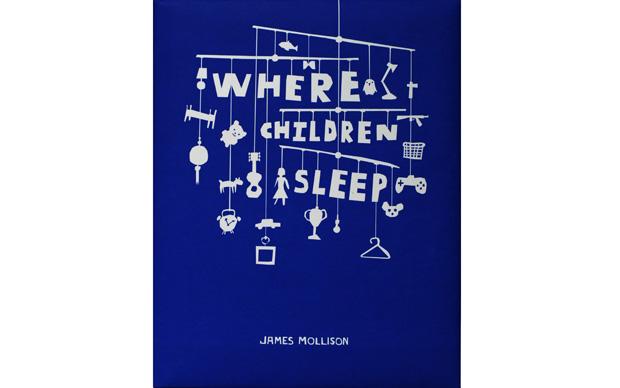
Where Children Sleep

The front cover of James Mollison's book of photographs of children from around the world and their bedrooms. Mollison hopes his photographs will encourage children to think about inequality.


Thais, 11, lives with her parents and sister on the third floor of a block of flats in Rio de Janeiro, Brazil. She shares a bedroom with her sister. They live in the Cidade de Deus (‘City of God’) neighbourhood, which used to be notorious for its gang rivalry and drug use. Since the 2002 film City of God, it has undergone major improvements. Thais is a fan of Felipe Dylon, a pop singer, and has posters of him on her wall. She would like to be a model.


Roathy, eight, lives on the outskirts of Phnom Penh, Cambodia. His home sits on a huge rubbish dump. Roathy’s mattress is made from old tyres. Five thousand people live and work here. At six every morning, Roathy and hundreds of other children are given a shower at a local charity centre before they start work, scavenging for cans and plastic bottles, which are sold to a recycling company. Breakfast is often the only meal of the day.

---------> Click here to continue reading this post <----------

Click here to see more »

Choose Two

15 Interesting facts about dreams

1. You Forget 90% of Your Dreams
Within 5 minutes of waking, half of your dream is forgotten. Within 10, 90% is gone.


2. Blind People also Dream
People who became blind after birth can see images in their dreams. People who are born blind do not see any images, but have dreams equally vivid involving their other senses of sound, smell, touch and emotion.


3. Everybody Dreams
Every human being dreams (except in cases of extreme psychological disorder). If you think, you are not dreaming, you just forget your dreams. (and i have also heard that if anyone practise meditation for a long time, they dont dream either)


4. In Our Dreams We Only See Faces, That We already Know
Our mind is not inventing faces – in our dreams we see real faces of real people that we have seen during our life but may not know or remember. We have all seen hundreds of thousands of faces throughout our lives, so we have an endless supply of characters for our brain to utilize during our dreams.


5. Not Everybody Dreams in Color
A full 12% of sighted people dream exclusively in black and white. The remaining number dream in full color. Studies from 1915 through to the 1950s maintained that the majority of dreams were in black and white, but these results began to change in the 1960s. Today, only 4.4% of the dreams of under-25 year-olds are in black and white. Recent research has suggested that those changing results may be linked to the switch from black-and-white film and TV to color media.


6. Dreams are Symbolic
If you dream about some particular subject it is not often that the dream is about that. Dreams speak in a deeply symbolic language. Whatever symbol your dream picks on it is most unlikely to be a symbol for itself.


7. Emotions
The most common emotion experienced in dreams is anxiety. Negative emotions are more common than positive ones.(yeah i have been dreaming loosing my slippers. no, im serious!)


8. You can have four to seven dreams in one night.
On average, you can dream anywhere from one or two hours every night.


9. Animals Dream Too
Studies have been done on many different animals, and they all show the same brain waves during dreaming sleep as humans. Watch a dog sleeping sometime. The paws move like they are running and they make yipping sounds as if they are chasing something in a dream.


10. Body Paralysis
Rapid eye movement (REM) sleep is a normal stage of sleep characterized by rapid movements of the eyes. REM sleep in adult humans typically occupies 20-25% of total sleep, about 90-120 minutes of a night’s sleep. During REM sleep the body is paralyzed by a mechanism in the brain in order to prevent the movements which occur in the dream from causing the physical body to move. However, it is possible for this mechanism to be triggered before, during, or after normal sleep while the brain awakens.


11. Dream Incorporation
Our mind interprets the external stimuli that our senses are bombarded with when we are asleep and make them a part of our dreams. This means that sometimes, in our dreams, we hear a sound from reality and incorporate it in a way. For example you may be dreaming that you are in a concert, while your brother is playing a guitar during your sleep.


12. Men and Women Dream Differently
Men tend to dream more about other men. Around 70% of the characters in a man’s dream are other men. On the other hand, a woman’s dream contains almost an equal number of men and women. Aside from that, men generally have more aggressive emotions in their dreams than the female lot. (we do everything different, so why not this right?)


13. Precognitive Dreams
Results of several surveys across large population sets indicate that between 18% and 38% of people have experienced at least one precognitive dream and 70% have experienced déjà vu. The percentage of persons that believe precognitive dreaming is possible is even higher, ranging from 63% to 98%. *Precognition, also called future sight, refers to perception that involves the acquisition of future information that cannot be deduced from presently available and normally acquired sense-based information.


14. If you are snoring, then you cannot be dreaming.
This fact is repeated all over the Internet, but I’m a bit suspicious whether it’s really true as I haven’t found any scientific evidence to support it.


15.You can experience an orgasm in your dream
You can not only have sex as pleasurable as in your real life while dreaming, but also experience an orgasms strong as a real one, without any wet results. The sensations felt while lucid dreaming (touch, pleasure and etc..) can be as pleasurable and strong (or I believe even stronger) as the sensations experienced in the real world.

Powered by Blogger.